
Layers of Time.
From Barngarla sea country to a long-term restoration project.
A WALK THROUGH TIME
“An ancient land, carrying many stories.”
Rumi is part of an ongoing story on Louth Island. Our role is one of care, restoration and considered stewardship — shaped by respect for the people, histories and ecosystems that came before us.
The island continues to evolve gradually over time, guided by a long-term commitment to regeneration, protection and quiet development within the landscape.
THE FIRST NAVIGATORS
The Barngarla People
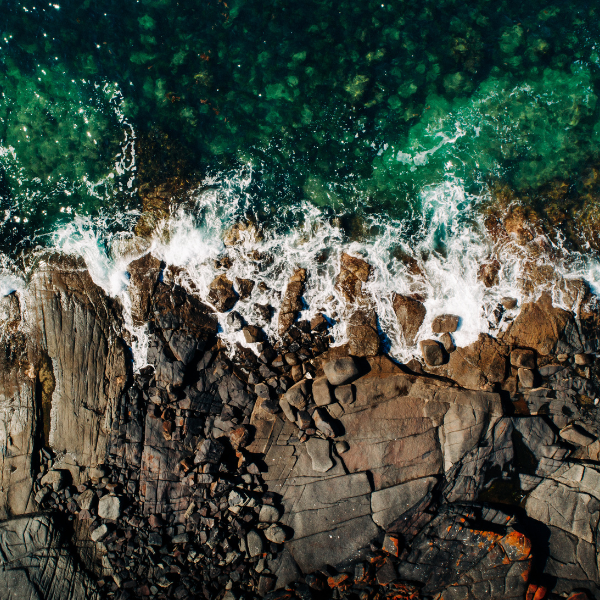
Louth Island sits within the sea country of the Spencer Gulf, a region traditionally cared for by the Barngarla people. For thousands of years, the Barngarla have been custodians of the Eyre Peninsula (Galinyaala) and its surrounding waters.
In our commitment to truth-telling, we acknowledge the deep cultural significance of this region and the enduring connection between the Barngarla people and these waters.
We recognise the Barngarla not as figures of the past, but as the living custodians of this land and sea. We encourage guests to learn more through authentic, community-led experiences on the mainland.
1802
The Maritime Explorers
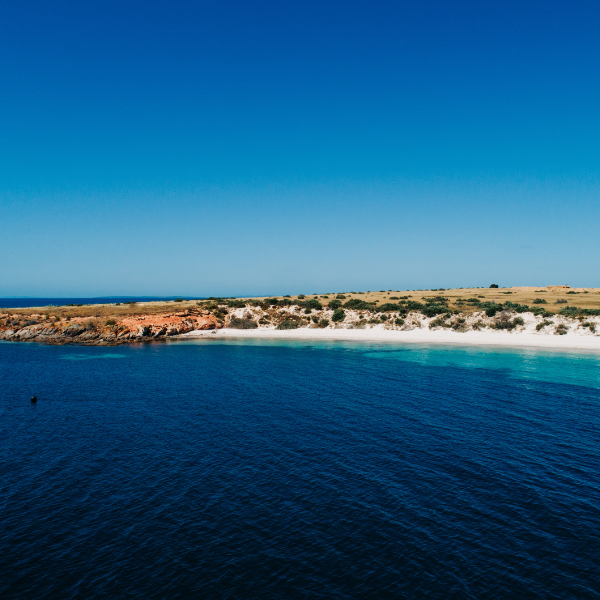
Louth Island was charted during the 1802 meeting between Matthew Flinders and Nicolas Baudin in the waters of Spencer Gulf.
The naming of the island reflects a period of European maritime exploration that would permanently reshape the region and its histories.
19th & 20th Century
The Pastoral Era
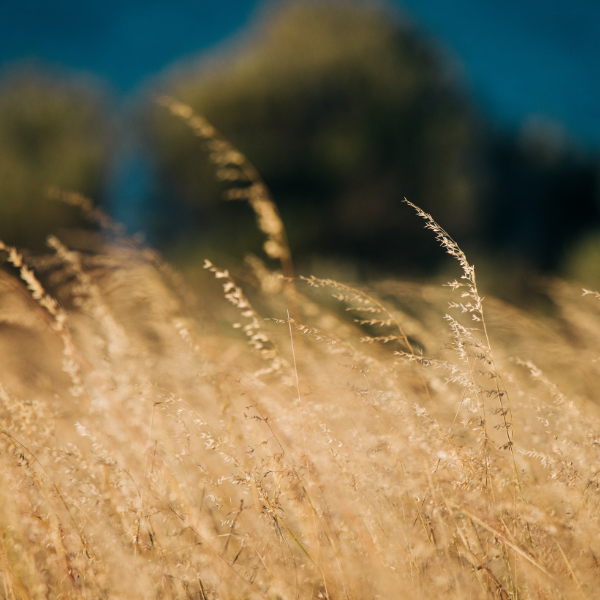
For more than a century, Louth Island operated as a pastoral sheep station. Like much of Australia, areas of the landscape were cleared to support agriculture and farming activity.
Remnants of old shearing sheds, fencing, and homesteads remain across the island today, offering traces of this period and the evolving relationship between people and place over time.

Custodianship Today
We view our stewardship of Louth Island not as ownership, but as responsibility — a long-term commitment to restoration, protection and thoughtful care for the island’s future.
01.
Replanting
02.
Removal
03.
Protection
04.
Renewable Infrastructure
05.
Low-Impact Development
Restoring native vegetation to stabilise the landscape and support the gradual return of birdlife and biodiversity.
Removing invasive plant species and remnants of past agricultural impact across the island.
Protecting terrestrial and marine ecosystems through long-term environmental stewardship and low-impact operations.
Supporting the island through off-grid systems designed for resilience, self-sufficiency, and reduced environmental impact.
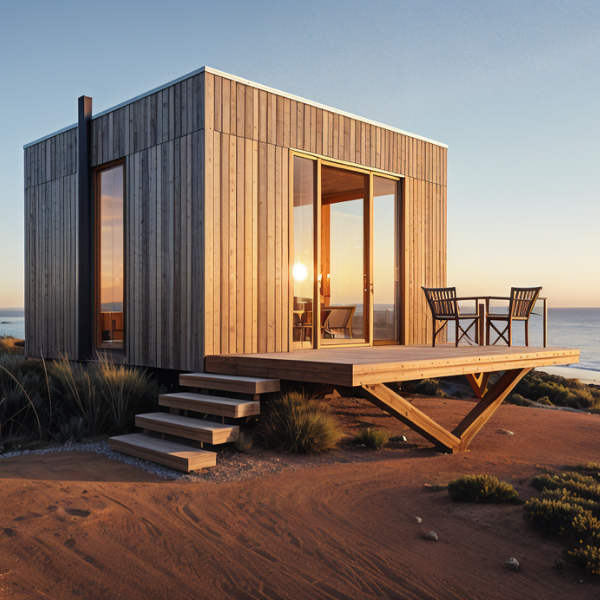
Future pavilions, guest spaces, and curated experiences are being shaped carefully within the landscape, with close consideration given to scale, placement, and environmental impact.
STAGE 2
The Next Chapter
As Rumi evolves through future phases, development across the island will remain intentionally limited and environmentally led.
Future guest spaces, pavilions, and experiences will continue to emerge gradually alongside restoration work, allowing the island to evolve at a considered pace.
Rumi is not a finished place. It is a long-term commitment to care, restoration and quiet evolution on Louth Island.